
So You Want To Be a Better Cook … Here’s How
There is an undeniable joy that comes from the sizzle of a pan, the fragrant mix of herbs and spices, and the satisfaction of a meal well-made. With the right knowledge and a touch of finesse, anyone can transform their kitchen into a haven of culinary delights. From novices to seasoned food enthusiasts, there’s always room for improvement in cooking. Below, you’ll find the essential steps to elevate your cooking skills. Keep reading.
Mastering the Basics of Cooking: Techniques and Tools
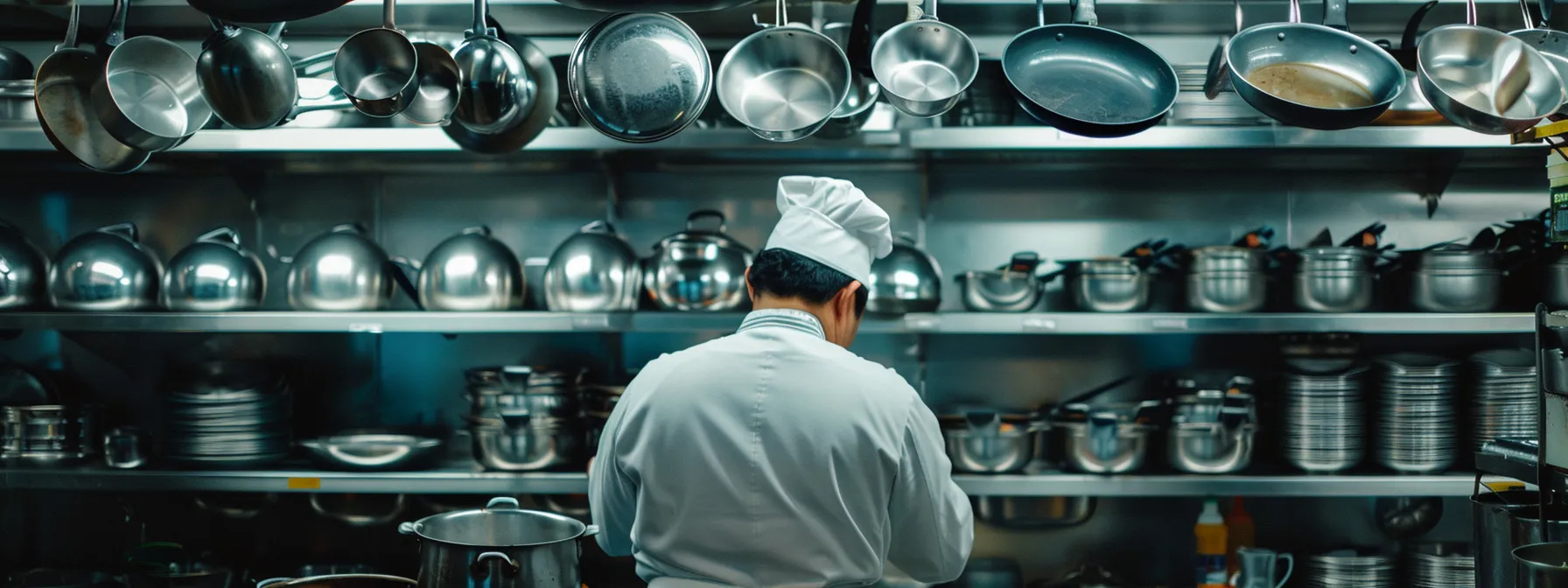
Before you can become a culinary maestro, it’s vital to understand the fundamental techniques that underpin cooking. Grasping skills such as sautéing, roasting, and baking are just the beginning. Take the time to practice these techniques, focusing on the details that make a significant difference, such as the heat level and timing. Seek out resources that push your boundaries. This could be an advanced cookbook, a particular cooking blog, or perhaps, a hands-on cooking class nyc.
Tools are your allies in the kitchen. Investing in high-quality utensils, from a durable chef’s knife to the appropriate pots and pans, can transform the cooking process. This doesn’t mean you need the most expensive items; rather, look for tools that feel right in your hands and suit your cooking style.
Understanding the purpose behind each tool is also important. A food processor can be a lifesaver for tasks like making dough or chopping vegetables. Meanwhile, a solid cutting board and a set of measuring cups and spoons enhance precision and safety while cooking.
Don’t overlook maintenance; keeping your tools in top condition ensures they perform at their best. Regularly honing your knives, seasoning your cast-iron skillet, and hand-washing delicate items can extend the life and effectiveness of your kitchen gear.
Understanding Flavour Profiles and Seasoning Secrets
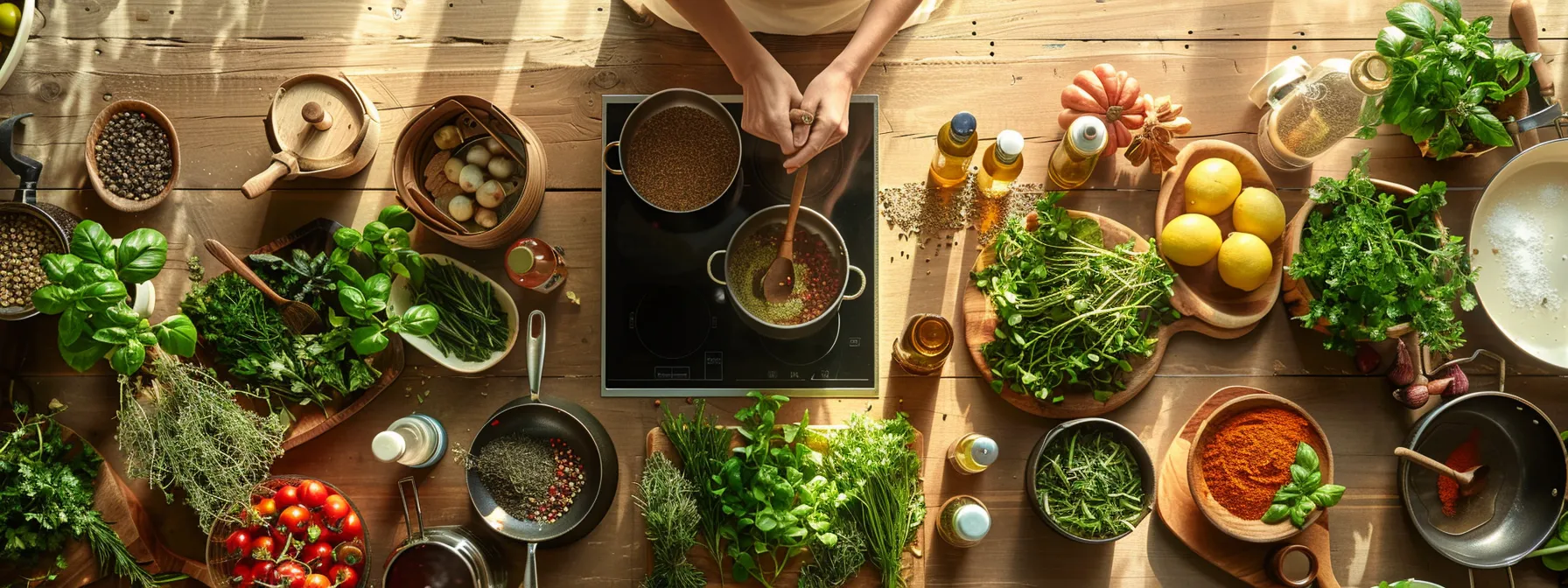
Flavour is the soul of cooking, and mastering it requires balancing taste and seasoning. Begin by familiarising yourself with the basic tastes: sweetness, sourness, bitterness, saltiness, and umami. Learn how these can combine to create complex and satisfying flavour profiles in your dishes.
Seasoning is more art than science. Knowing when and how much to season comes with experience. Start with a light hand and taste as you go, remembering that you can always add more, but you can’t take away. Being aware of the freshness of your herbs and spices is also crucial, as they lose potency over time.
Diversifying your spice cabinet is a journey of its own, leading you to discover new and exciting flavours. Incorporating herbs and spices from various cuisines not only adds diversity to your cooking but also expands your palate and your culinary horizons.
Think beyond salt and pepper. Start experimenting with acids such as vinegar and citrus to add brightness to dishes. Sweeteners, too, can subtly shift a dish’s personality, and heat sources like peppers or mustards introduce an exhilarating kick.
Embracing Culinary Challenges To Enhance Your Skills
Tackling new recipes or techniques can be intimidating, but challenge is a catalyst for growth. Start small—try a new ingredient each week, or attempt a dish that has always intrigued you. The novelty will keep your cooking exciting and encourage skill development. With the wealth of information available, furthering your culinary education has never been easier.
Cooking with others is another excellent way to learn. Not only can it be a fun social event, but you can pick up tips and techniques you may not have encountered on your own. Whether it’s a family member or a chef at a local restaurant, take the opportunity to cook alongside someone else.
Don’t be discouraged by failure. Every burnt pan or overly salted soup is a stepping stone to becoming a better cook. Take notes on what went wrong and why, and use this knowledge to improve your next attempt.
The journey to becoming a better cook is one of continuous learning and passion. It invites curiosity, creativity, and the courage to step out of your culinary comfort zone. By embracing these tips, you’re on your way to creating unforgettable meals that resonate with the heart and satisfy the palate.