
How to Preserve Old Photos: Essential Photo Preservation Techniques to Protect Your Family’s Memories
Preserving old photographs is crucial for maintaining cherished family memories. As physical photos age, they become susceptible to fading, water damage, and environmental factors, which can irreparably destroy them. This comprehensive guide delves into effective methods for preserving your family’s photographic heritage, ensuring these memories remain intact for future generations. Readers will learn about various techniques to store, digitize, and protect old photos, along with practical steps to organize them systematically. This guide covers essential preservation strategies, including the best storage practices, digital preservation methods, and care techniques for physical photographs, aimed at safeguarding their longevity.
What Are the Best Ways to Store Old Photos Safely?
Storing old photographs safely involves using appropriate archival materials and maintaining a controlled environment to prevent damage. Photographs are delicate and can be affected by factors such as temperature, humidity, and exposure to light. Understanding the best practices for storage is essential to protect these valuable memories. Proper storage not only preserves the image quality but also ensures that future generations can enjoy these family treasures without degradation.
Which Archival Photo Storage Materials Should You Use?
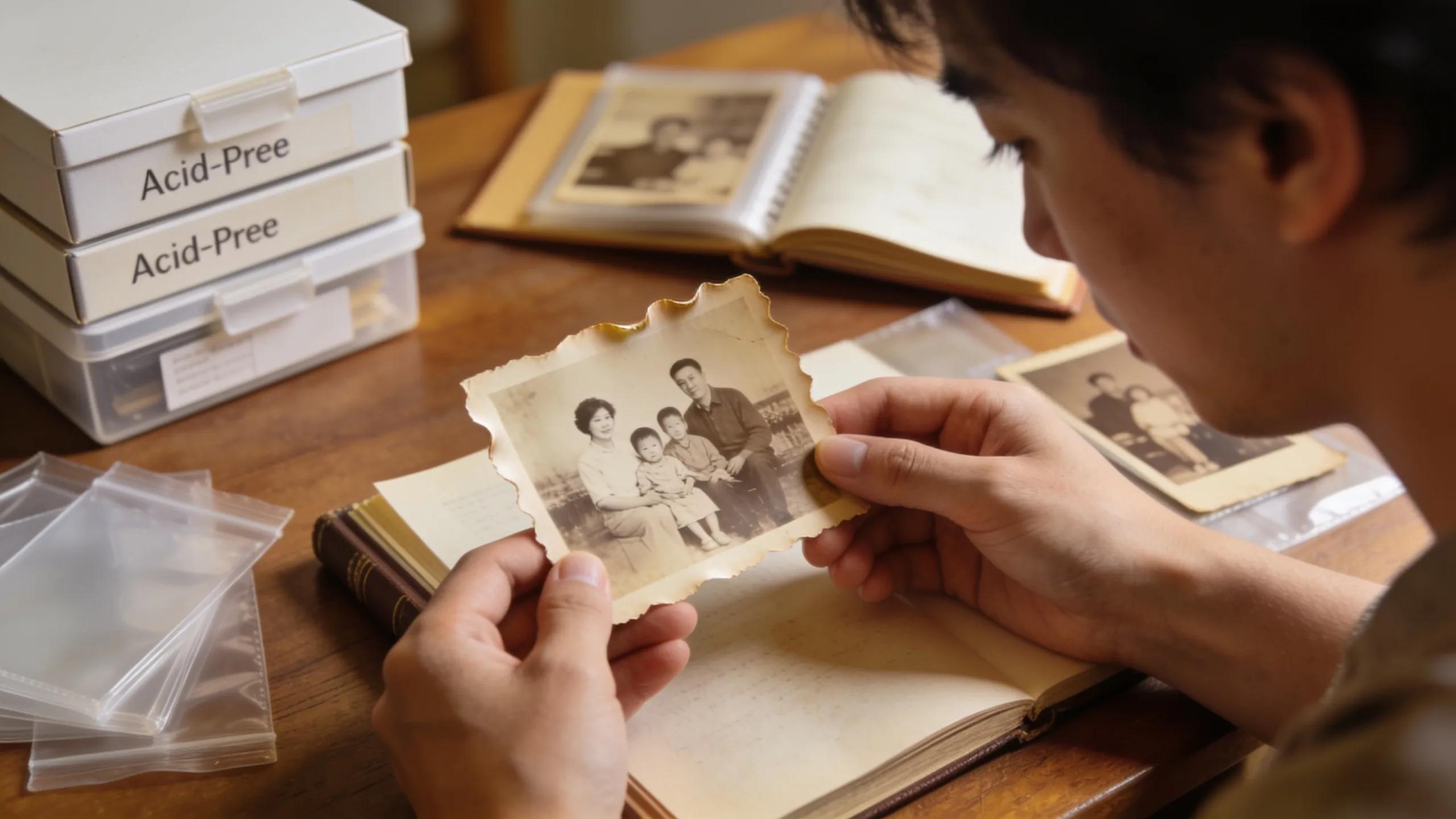
When selecting archival materials for storing old photographs, it is vital to choose options that provide protection against chemicals and environmental factors. Consider the following archival materials:
- Acid-Free Paper: This type of paper helps prevent yellowing and deterioration over time, making it ideal for storing photographs.
- Polyester Sleeves: Clear, inert polyester sleeves protect images from dust and physical damage while allowing visibility.
- Archival Boxes: These are designed to protect photos from light exposure and atmospheric conditions.
Using the right materials helps ensure the longevity of photographs, safeguarding the family memories they represent.
How Does Environmental Control Prevent Photo Damage?
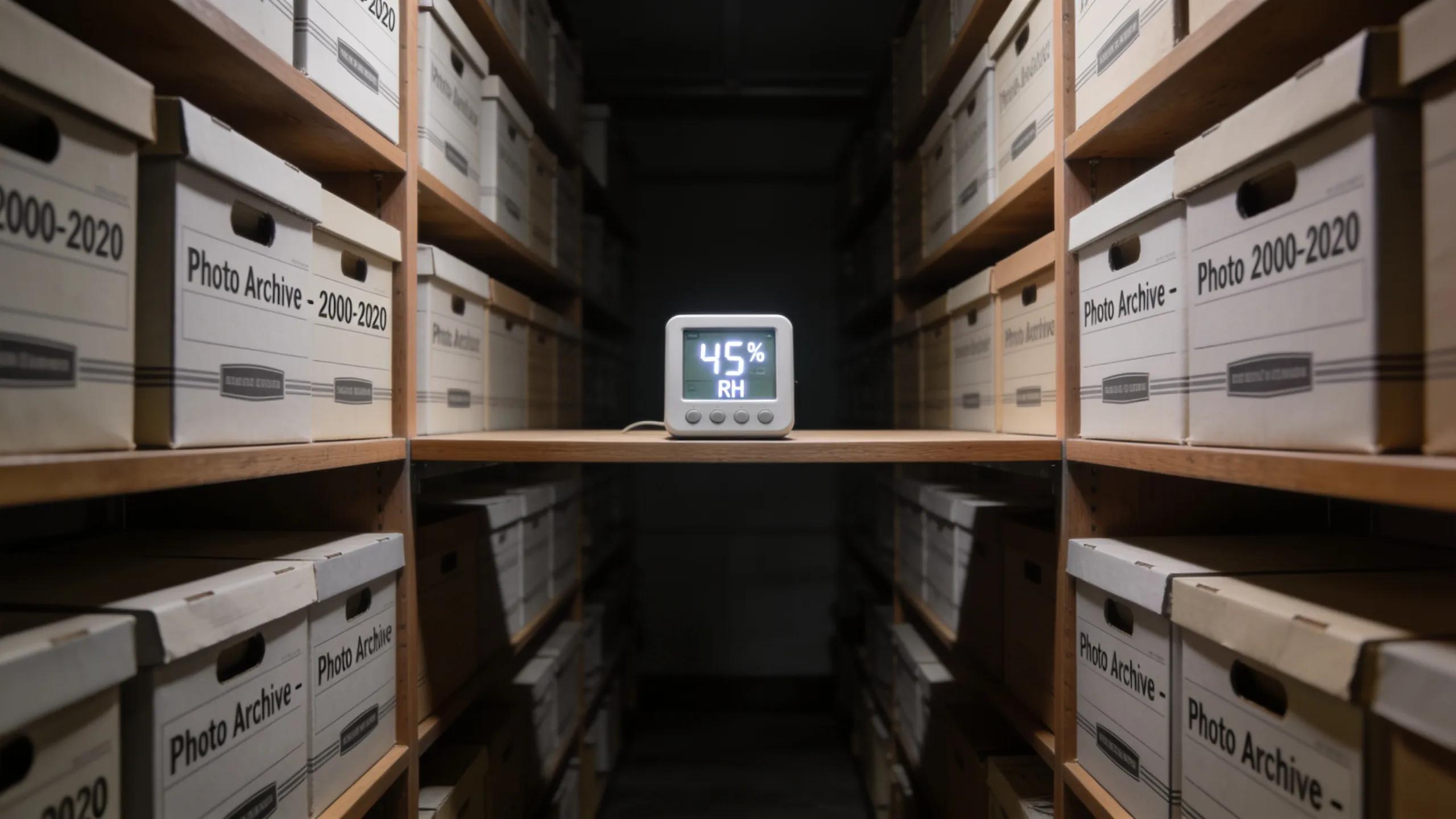
Environmental factors play a significant role in the preservation of photographs. Keeping photos in a stable environment can drastically reduce the risk of damage. Here are key environmental control methods to consider:
- Ideal Temperature: Photos should be stored in a cool, dry place, ideally between 65°F and 70°F (about 18°C to 21°C). Fluctuating temperatures can lead to warping and deterioration.
- Humidity Management: Maintaining humidity levels around 30% to 40% prevents mold growth and preserves the integrity of the photographic materials.
- Light Exposure: Limiting exposure to direct sunlight and fluorescent lighting is crucial, as UV rays can cause fading and discoloration over time.
Applying these practices ensures that your photographs remain in good condition for years to come.
Addressing the specific challenges posed by tropical climates, research highlights the need for tailored preservation strategies to protect photographic collections from accelerated degradation.
Preservation Strategies for Photographs in Challenging Climates
This study assesses preservation strategies for photographic collections at the Sonobudoyo Museum in Yogyakarta, Indonesia. The museum faces challenges from the tropical climate, including high humidity, mould, and temperature fluctuations, which damage materials. Through observations and interviews, the research identified key issues in current storage and environmental control practices. The findings emphasize the need for affordable, climate-adapted solutions. This study proposes a practical preservation framework tailored to tropical environments, along with recommendations for consistent environmental monitoring. The framework offers insights for other heritage institutions in Southeast Asia to support the long-term preservation of photographic artefacts.
Preservation Strategies for Photographic Collections in Tropical Climates: Evaluating practices at Sonobudoyo Museum, RL Octina, 2025
How Can You Digitally Preserve Old Photos Effectively?
Digital preservation of old photographs is increasingly essential as technology advances. By digitizing your photos, you not only create duplicates but also simplify their storage and organization. This section discusses effective methods for digitizing old photos and managing digital archives.
What Are the Best Digital Photo Preservation Methods and File Formats?
The best practices for scanning photos include:
- High-Resolution Scanning: Using a scanner that offers at least 300 DPI ensures you capture the full detail of the photograph.
- File Formats: Save images in formats such as TIFF or PNG for high quality and lossless storage, while JPEGs are more suitable for casual sharing due to their smaller file sizes.
- Metadata Tagging: Adding relevant metadata during scanning helps organize the images by date, location, and event, enhancing future retrieval.
These methodologies create an effective digital archive that complements the physical photographs.
While modern digital imaging simplifies photo capture, it introduces new long-term archiving challenges concerning software, file formats, and data storage integrity.
Digital Preservation Challenges and Strategies for Modern Photographs
Photographic images that have been captured over the past two centuries offer us a ‘unique and believable’ documentary record of our history, culture, and beliefs. Early photographers largely strove to achieve image longevity to claim superiority of technique over their commercial rivals. It came as more of a surprise that the color films from the past seventy years are more prone to fading and disintegration than the silver-gelatin monochrome glass plates from much earlier generations. Modern digital imaging offers everyone a much simpler means to capture and share our photographs. However, longer-term archiving of our digital images presents even greater issues concerning redundant software and file formats, data storage failure and the fragility of the data itself. Whenever further vital migration is needed, supposing our yet unborn great-grandchildren have very different aesthetic tastes and do not appreciate or value our collection? This chapter proposes an alternative approach to very long-term digital image preservation, where our most significant photographs and research, along with the vital image context, can be safely preserved for centuries into the future, to be achieved by utilizing a proven technology many thousands of years old. Digital Preservation and Access: Photography Past, Present, and Future, 2024
How Do You Back Up and Organize Digital Photo Archives?
Once photos are digitized, organizing and backing them up becomes essential. Implement these strategies:
- Cloud Storage Solutions: Utilize cloud storage for automatic backups, which offers accessibility and security against physical damage.
- Physical Backups: Keep external hard drives with copies of your photos in a safe location, ensuring redundancy in case of data loss.
- Tagging and Indexing: Consistently tag digital images with relevant information to simplify searching and categorizing in the future.
Having a robust backup and organization plan ensures the longevity and accessibility of your digital memories.
Essential Techniques for Preserving Old Family Photos
Taking care of physical photographs requires specific techniques to maintain their condition. Proper handling and preventive care can significantly increase the lifespan of photos, allowing future generations to enjoy these treasured memories.
How Should You Clean and Handle Old Photographs Properly?
Cleaning old photographs should be approached with caution. Use these effective techniques:
- Gentle Handling: Always handle photographs by the edges to avoid fingerprints and damage.
- Cleaning Materials: Use a soft, lint-free cloth to remove dust. Avoid water or chemicals, which can cause irreparable damage.
- Drying: If photographs are wet, air dry them flat, avoiding direct sunlight to prevent color fading.
These methods help to preserve both the physical and visual quality of your photographs.
What Are Preventive Care Tips to Avoid Photo Fading and Damage?
Preventive care is fundamental in maintaining the quality of photographs. Here are some vital tips:
- Store in Darkness: Keeping photos in dark, cool places protects them from light exposure that leads to fading.
- Avoid Plastic Sleeves: Do not store photographs in PVC plastic as it can degrade and damage the photos over time.
- Humidity Control: Consider using silica gel packets in storage containers to absorb moisture.
Following these preventive tips helps ensure that your photographs remain vibrant and intact for many years.
How Can You Organize Your Family Photos to Protect Their Longevity?
Effective organization of family photos is essential for preserving their longevity and accessibility. A strategic approach to cataloging can save time and frustration when searching for specific memories.
What Are Effective Cataloging and Indexing Methods for Old Photos?
Creating a cataloging system helps keep family photos organized. Consider these methods:
- Chronological Organization: Arrange photos by date, allowing for easy tracking of the family’s history.
- Thematic Collections: Group photos by events, such as holidays or birthdays, to create themed collections.
- Digital Indexing: Utilize software that allows tagging by names, locations, and events, making it easier to find specific images later.
Organization strategies enhance the overall preservation effort by making photos accessible without causing damage during handling.
How Do Photo Albums and Storage Solutions Impact Preservation?
Choosing the right photo albums and storage solutions greatly influences preservation efforts. Consider the following:
- Acid-Free Albums: Ensure that the albums used are acid-free to prevent deterioration over time.
- Quality of Sleeves: Select photo sleeves that do not adhere to the photographs and are made from inert materials.
- Impact of Storage Conditions: Store photo albums in a stable environment away from direct sunlight and in places with controlled humidity.
Selecting quality storage solutions enhances the preservation and accessibility of treasured family memories.